Legal Guidance After a Boat Wreck in Charleston

At the Gus Anastopoulo Law Firm, our compassionate boat accident lawyers in Charleston understand the intense pain and suffering these victims must endure. We also understand the severe financial strain accidents place on families who, in many cases, were barely making ends meet to begin with. So, we work hard to achieve favorable out-of-court settlements, which speed compensation to victims and their families. At the same time, we are with you until the end of the line, even if that means a trial.

Most boaters naturally assume that boats are like cars. They both have the same basic controls, like steering wheels and throttles or accelerators. Furthermore, they are both motor vehicles for legal purposes. But there are some significant differences. Brakes, or more specifically the lack thereof, are a good example. Car drivers can stop moving vehicles almost immediately. But boats must drift to a standstill. Even then, they usually don’t stop entirely. Furthermore, cars and trucks are wheeled vehicles on pavement which are relatively easy to maneuver. 

That’s not true for a flat boat in the water. There are some similarities, mostly regarding operator impairment. Some common forms of impairment for both boaters and drivers include: Alcohol/drug use, Distraction, and Serious medical conditions. Operators with one of these impairments could be liable for crash damages as a matter of law. The same thing applies to boaters who speed or violate other operational rules. The damages in a boat wreck claim usually include compensation for economic losses, such as medical bills, and non-economic losses, such as pain and suffering.

What Causes Most Boat Accidents?

Boat accidents can happen for many reasons, often due to operator mistakes, unsafe conditions, or failure to follow boating regulations. Understanding the most common causes can help explain how an accident occurred and who may be responsible for resulting injuries. Some of the leading causes of boat accidents include:

  • Operator inattention: Failing to watch for other boats, swimmers, obstacles, or changing water conditions.
  • Inexperienced operators: Lacking the knowledge or skills needed to navigate safely and respond to hazards.
  • Alcohol use: Operating a boat while impaired can affect judgment, coordination, and reaction time.
  • Excessive speed: Traveling too fast can make it difficult to avoid collisions or maintain control.
  • Reckless operation: Making unsafe turns, following other vessels too closely, or ignoring navigation rules.
  • Equipment failure: Malfunctioning engines, steering systems, or other essential equipment can contribute to accidents.
  • Weather and water conditions: Strong winds, rough waves, poor visibility, and sudden storms can make boating dangerous.
  • Overloading a vessel: Carrying too many passengers or too much equipment can compromise stability and increase the risk of capsizing.

What Are Common Boat Accident Injuries?

At Gus Anastopoulo Law Firm, we understand that boat accidents can leave victims facing painful injuries, costly medical treatment, and lengthy recoveries. Collisions, falls, capsizing, and other on-water incidents can cause significant physical harm, with some injuries resulting in permanent complications. Common boat accident injuries include:

  • Traumatic brain injuries: Head trauma caused by collisions, falls, or impacts with hard surfaces.
  • Spinal cord injuries: Damage that can affect mobility, cause chronic pain, or lead to paralysis.
  • Broken bones: Fractures to the arms, legs, ribs, and other areas from sudden impacts.
  • Lacerations and soft tissue injuries: Cuts, bruises, sprains, and muscle damage caused by falls or debris.
  • Drowning and near-drowning injuries: Oxygen deprivation that may lead to lasting brain damage.
  • Burns: Injuries resulting from boat fires, fuel explosions, or contact with hot equipment.
  • Hypothermia: A dangerous drop in body temperature after prolonged exposure to cold water.
  • Internal injuries: Organ damage or internal bleeding caused by forceful impacts.
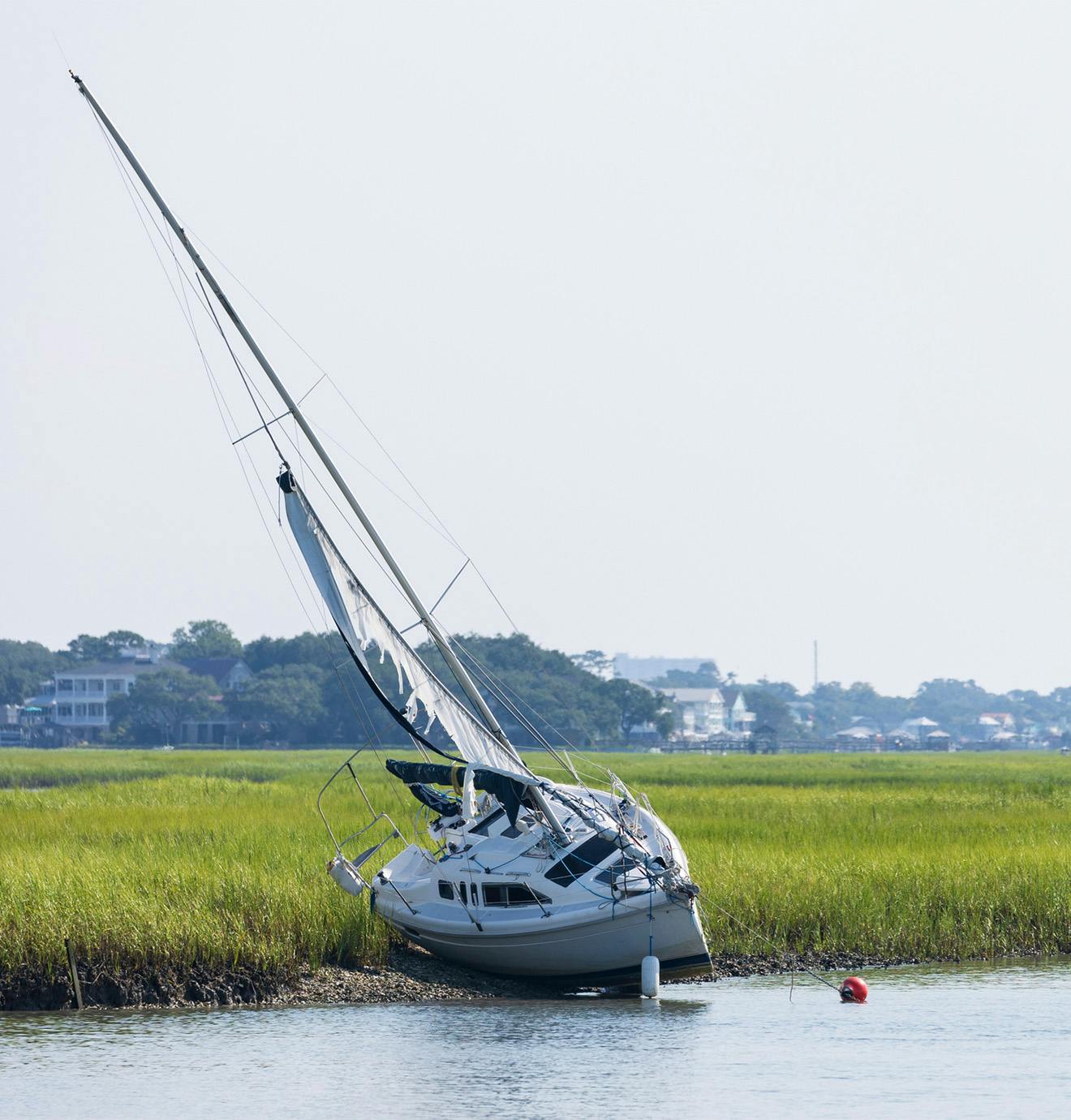
beached boat

Boat Owners' Responsibility for Passenger Safety

Boat owners are legally responsible for passenger safety. This safety is often difficult to ensure on a wet, slippery, and pitching boat deck. That’s especially true if owners are not at their best, for one reason or another. Falls and drawings are the two most common personal injuries in these situations. Many victims fall and hit their heads. These wounds are especially serious for people with pre-existing conditions. Making matters worse, head injuries are difficult to diagnose and treat. Therefore, many victims are seriously hurt and getting worse, and they don’t even know it. As for drownings, a few moments under the waves could be enough to cause a serious brain injury. Life jackets significantly reduce the chances of such an accident, but they don’t entirely eliminate them. Usually, the owner is liable for damages if s/he owed a duty of care and either breached that duty or knew about the hazard that caused injury. 

Where Do Boat Accidents Frequently Happen in Charleston?

Charleston's waterways see a steady mix of fishing boats, personal watercraft, commercial ships, and recreational vessels. With busy marinas, shifting tides, and changing weather, certain locations can present greater challenges for boat operators. Common areas where boating accidents may occur include:

  • Charleston Harbor: High vessel traffic and interactions between recreational boats and large ships can create collision risks.
  • Ashley River: Boat congestion and limited maneuvering space in some sections can make navigating safely more difficult.
  • Cooper River: Commercial shipping lanes and recreational boat traffic require careful navigation to avoid dangerous encounters.
  • Wando River: Busy marinas and frequent recreational use can lead to congestion, particularly on weekends and holidays.
  • Intracoastal Waterway: Shallow channels, sandbars, and fluctuating tides can pose problems for boaters unfamiliar with local conditions.
  • Shem Creek: Popular waterfront destinations and nearby docks bring together numerous vessels in a relatively confined area.
  • Folly River and nearby coastal waters: Strong currents, shifting sandbars, and sudden weather changes can make these waters challenging to navigate.

Although these locations are popular boating destinations, accidents can happen anywhere on the water. When an operator's negligence or another party's actions cause an accident, injured individuals may have grounds to pursue compensation for their resulting losses.

Real Client Testimonial

They took my case the day of the accident, contacted me promptly, and were available to answer any questions or concerns I had throughout the process. I appreciate their attention to my case and my well-being. I highly recommend them.

A.V.R.

Logo media Schedule A Consultation

What Should I Do Immediately After a Boat Accident?

The steps you take after a boat accident can help protect your health and preserve important evidence for a potential injury claim. While the situation may be overwhelming, prioritizing safety and documenting what happened can make a difference if you later seek compensation. 

After a boat accident, consider taking the following steps:

  • Check for injuries: Seek medical attention immediately, even if your injuries do not seem serious at first.
  • Contact emergency services: Report the accident to the appropriate authorities, especially if someone is injured, missing, or in danger.
  • Document the scene: If it is safe to do so, photograph the boats, visible injuries, property damage, and conditions surrounding the accident.
  • Gather witness information: Collect names and contact details from passengers and others who saw what happened.
  • Exchange information: Obtain the other operator's contact information, boating credentials, and insurance details when applicable.
  • Keep important records: Save medical bills, accident reports, repair estimates, and documentation of lost income.
  • Avoid admitting fault: Stick to the facts when discussing the accident, and avoid making statements about who was responsible before the circumstances are clear.
  • Speak with an attorney: Our attorneys can review the circumstances of your accident, help identify potentially liable parties, and explain the steps involved in pursuing compensation.
Logo media

What Compensation Can I Recover After a Boat Accident?

A serious boat accident can leave you dealing with medical bills, missed work, and lasting physical or emotional challenges. If another party's negligence caused your injuries, you may be able to pursue compensation for the losses you have suffered. At Gus Anastopoulo Law Firm, we help injured individuals understand their legal options and seek damages that reflect the impact of a boating accident on their lives.

Depending on the circumstances of your case, recoverable compensation may include:

  • Medical expenses: Emergency care, hospital stays, surgeries, medication, and ongoing treatment.
  • Future medical costs: Anticipated expenses for rehabilitation, physical therapy, or long-term care.
  • Lost wages: Income lost while recovering from your injuries.
  • Reduced earning capacity: Compensation for injuries that affect your ability to work in the future.
  • Pain and suffering: Damages for physical pain and the impact of your injuries on daily life.
  • Emotional distress: Compensation for psychological effects, such as anxiety or trauma related to the accident.
  • Property damage: Costs to repair or replace a damaged boat or other personal belongings.
Banner media
Attorney Gus

Why Choose the Boating Accident Attorneys at Gus Anastopoulo Law Firm in Charleston, SC?

After a boating accident, you need a legal team that acts quickly and keeps your case moving forward. At Gus Anastopoulo Law Firm, we approach every claim with urgency, strategy, and a commitment to results. Gus Anastopoulo takes an active role in cases, providing accessible guidance and pushing for progress at every stage. Rather than allowing claims to stall, our team prioritizes clear communication, strategic action, and consistent follow-through. You can count on our boat accident attorneys in Charleston to take your injuries seriously, protect your interests, and hold those responsible for your accident accountable.

Gus Anastopoulo's recognitions and achievements include:

  • Elite Lawyer Personal Injury – 2022
  • South Carolina Super Lawyers – Rising Star, 2022–Present
  • South Carolina Association for Justice
  • The National Trial Lawyers: Top 40 Under 40
  • American Institute of Personal Injury Attorneys, 10 Best Attorneys – 2025–Present

If you’ve been injured in a boating accident, you don’t have to navigate the aftermath alone. Contact the personal injury attorney in Charleston at Gus Anastopoulo Law Firm today to schedule a consultation and learn how we can help you pursue compensation for your injuries and losses.

Boat Accident FAQs

How long do I have to file a boating accident claim in South Carolina?

Most boating accident victims have three years from the date of the injury to file a personal injury lawsuit under South Carolina law (S.C. Code § 15-3-530). Boat accident cases often involve multiple parties and insurers, so evidence like fuel records, maintenance logs, and witness accounts can disappear quickly if you wait.

Who is liable if the boat operator had been drinking?

Boating under the influence is illegal in South Carolina (S.C. Code § 50-21-112), and an operator who was impaired at the time of a crash can be held liable for the resulting injuries. Evidence such as field sobriety results, blood alcohol testing, or witness accounts of the operator's behavior before the accident can establish that impairment caused or contributed to the wreck.

What if I was injured on a rented or chartered boat?

Rental companies and charter operators have a general duty of reasonable care to provide seaworthy vessels, properly train renters or crew, and disclose known hazards. If a rental company failed to maintain the boat, provided inadequate safety equipment, or allowed an unqualified operator to take the helm, that company may share liability alongside the operator.

Does South Carolina require boat operators to carry insurance?

Not currently. South Carolina does not require most boat owners to carry liability insurance, unlike auto insurance for vehicles. However, a pending 2025-2026 bill would add a requirement for larger watercraft (S.C. Legislature, S. 26). That gap can leave injured victims with limited options if the at-fault operator is uninsured, which is why identifying every other potentially liable party, such as a marina, rental company, or manufacturer, becomes especially important.

Can a passenger sue the boat owner even as a non-paying guest?

Yes. Boat owners owe passengers a duty of reasonable care under general South Carolina negligence principles, regardless of whether the passenger paid for the ride. If the owner knew about a hazard, such as a defective part or unsafe operating condition, and failed to address it or warn passengers, the owner can be held liable for resulting injuries.

What compensation can I recover after a boating accident?

Compensation in a boating accident claim may include medical expenses, lost income, pain and suffering, and, in cases involving a fatality, wrongful death damages for surviving family members. Because these injuries often involve near-drowning, head trauma, or limb injuries from propellers, future medical and rehabilitation costs are frequently a major part of a claim's value.

Contact us media

Get the Lawyer Who Won’t Back Down

If you’ve been injured, don’t accept the insurance company’s first offer. Get the team who makes them pay you what they should.

Talk to Us About Your Case For Free

This field is required.
Get Help With Your Case

This site is protected by reCAPTCHA and the Google Privacy Policy(opens in a new tab) and Terms of Service(opens in a new tab) apply.

Contact us media
Accessibility: If you are vision-impaired or have some other impairment covered by the Americans with Disabilities Act or a similar law, and you wish to discuss potential accommodations related to using this website, please contact our Accessibility Manager at (843) 310-5555.
Contact Us